Smart Grid Development and the Future of High-Efficiency Power Transformer Systems
1. The Global Shift Toward Smart Energy Infrastructure
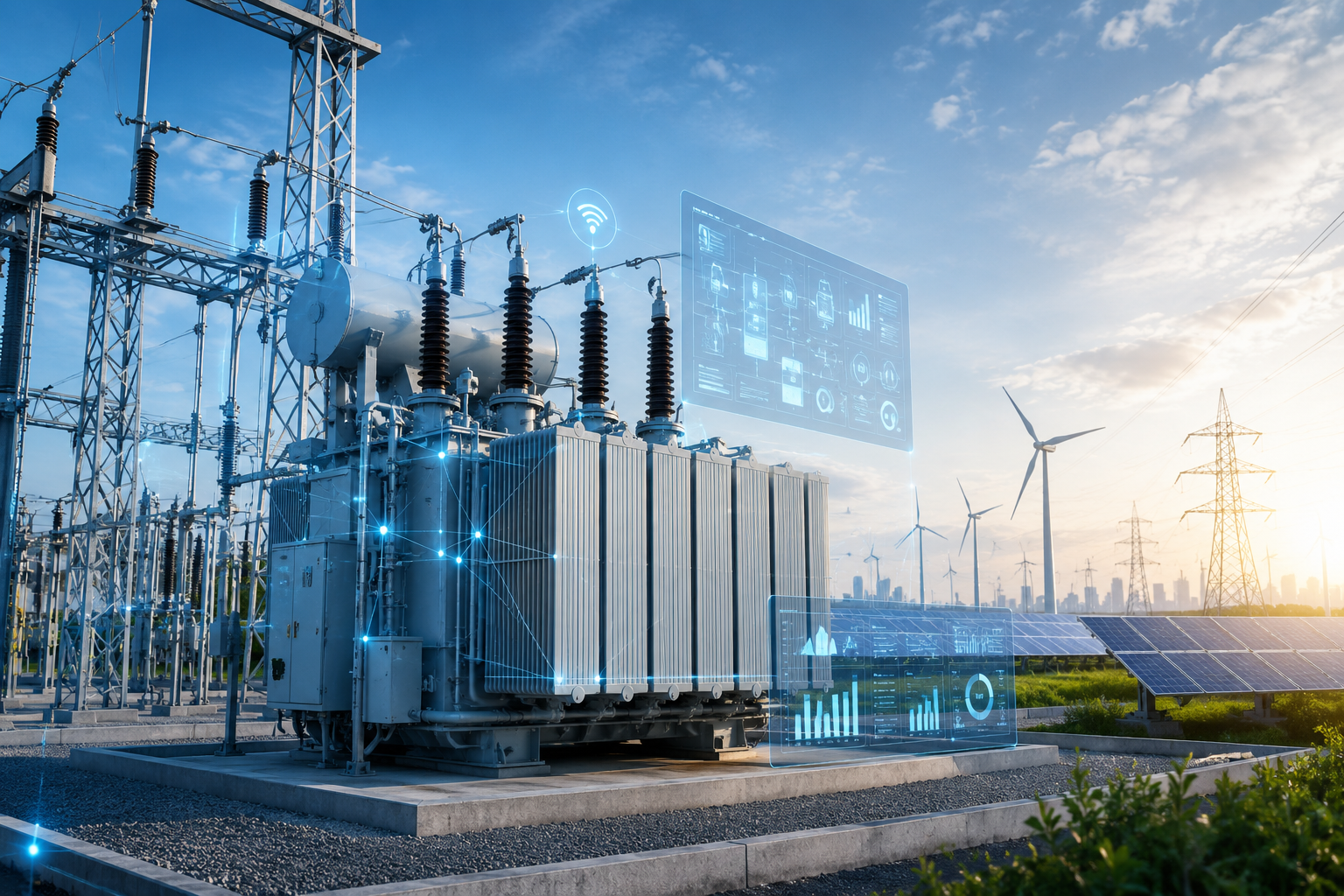
The global energy industry is undergoing a structural transformation driven by decarbonization policies, renewable energy expansion, and digital grid modernization. Traditional power systems are being replaced by intelligent smart grid networks that require higher efficiency, better stability, and real-time monitoring capabilities.
In this context, power transformers have become a core component of modern energy infrastructure. Their role is no longer limited to voltage conversion; instead, they now function as critical nodes in intelligent energy distribution systems.
2. Rising Demand for Energy-Efficient Transformers
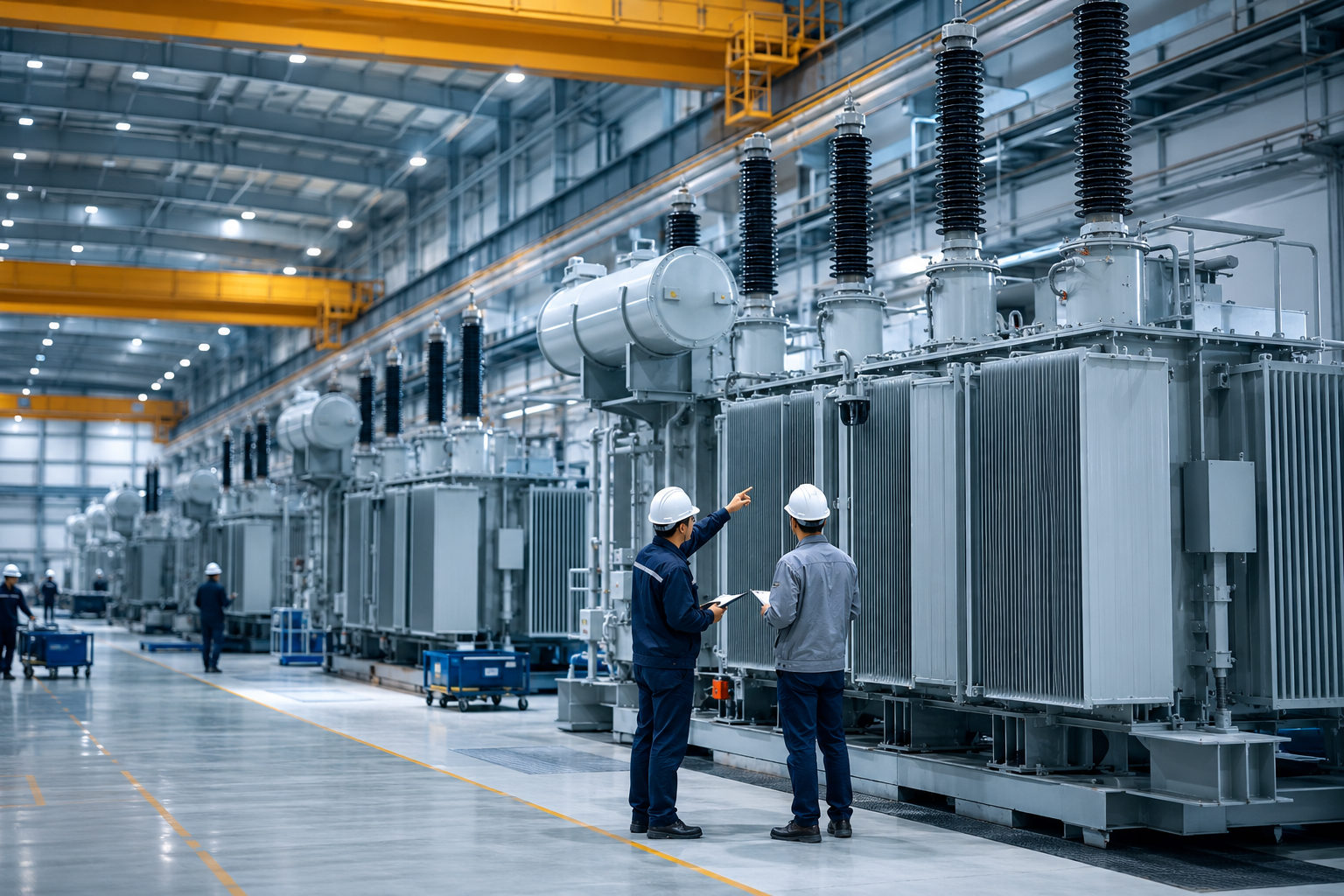
One of the most important market trends is the increasing demand for low-loss and energy-efficient transformer technologies. Products such as S11, S13, and amorphous alloy transformers are widely adopted due to their ability to significantly reduce no-load losses and operational energy consumption.
Utility companies and industrial users are prioritizing lifecycle cost optimization rather than only initial procurement cost. This shift is reshaping global procurement standards for electrical equipment.
3. Integration of Digital Monitoring and Smart Systems
Modern transformer systems are increasingly integrated with IoT-based monitoring, thermal detection systems, and remote diagnostics technologies. These innovations allow operators to monitor real-time performance, predict failures, and improve maintenance efficiency.
4. Industrial Expansion Driving Demand
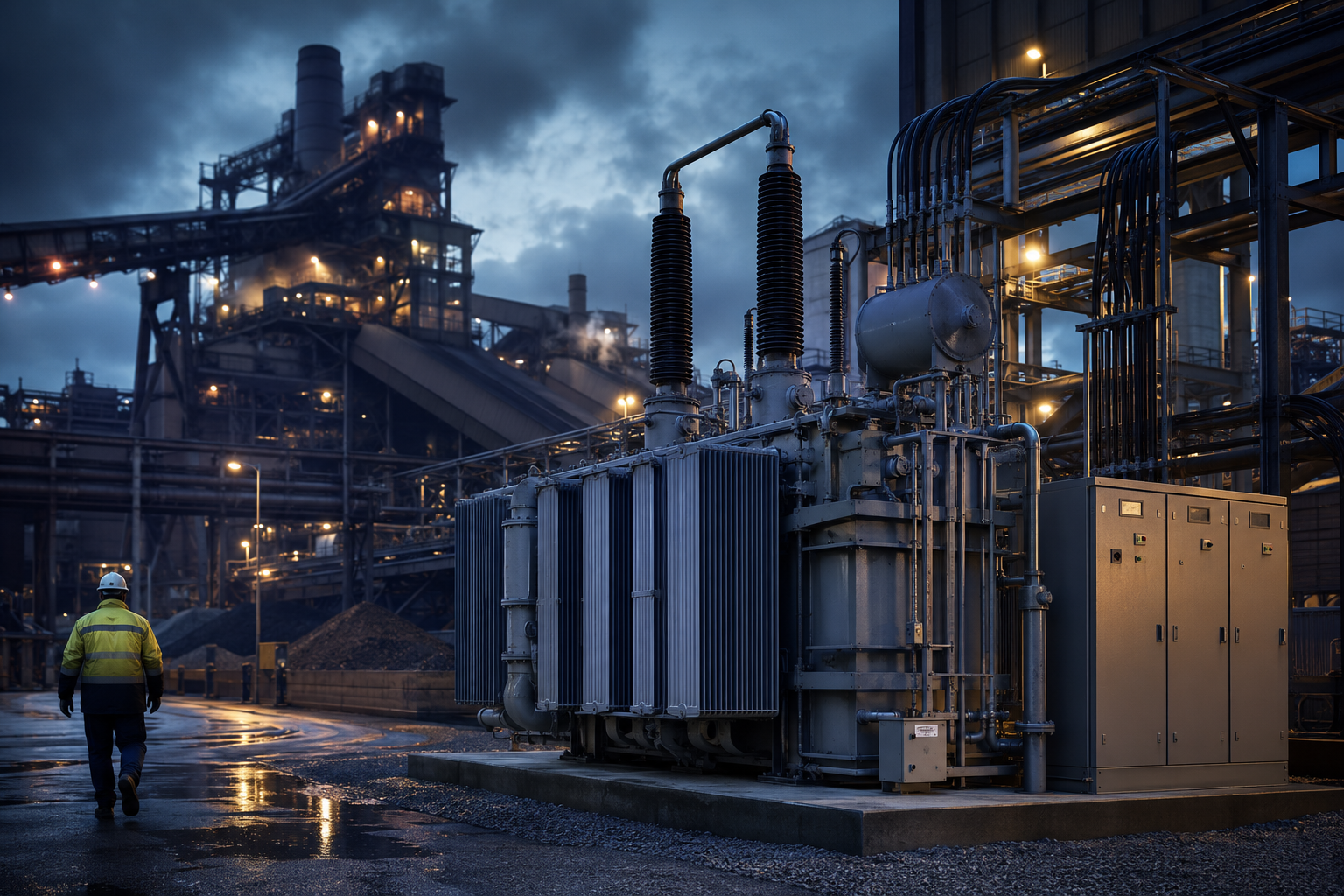
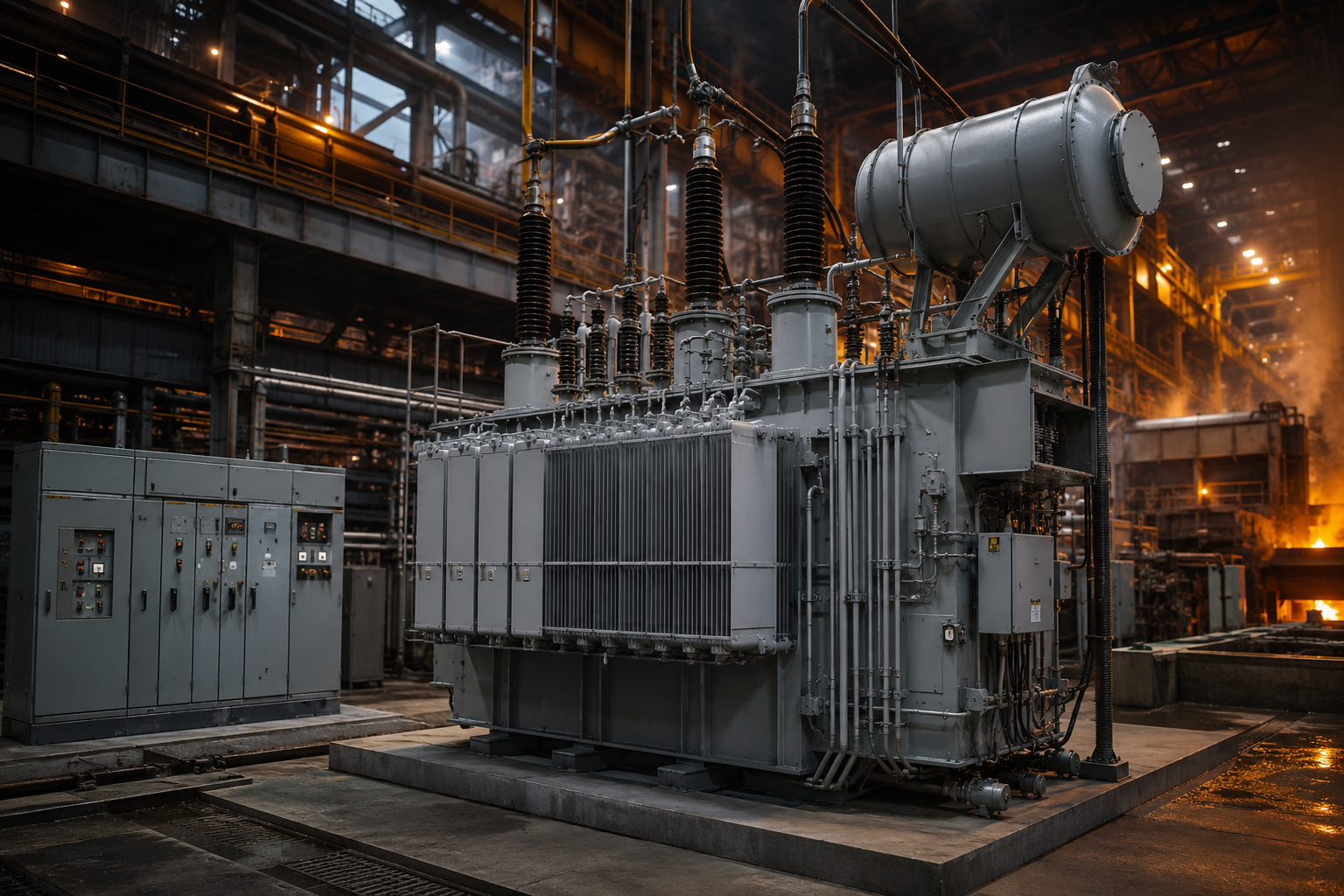
Heavy industries such as mining, metallurgy, petrochemical plants, and infrastructure construction require stable and high-capacity power systems. These industries rely heavily on robust transformer solutions that ensure continuous power supply under extreme conditions.
5. Industry Outlook
The future of the transformer industry is moving toward intelligent, efficient, and environmentally optimized systems. Manufacturers capable of combining engineering excellence with digital innovation will remain competitive in global markets.